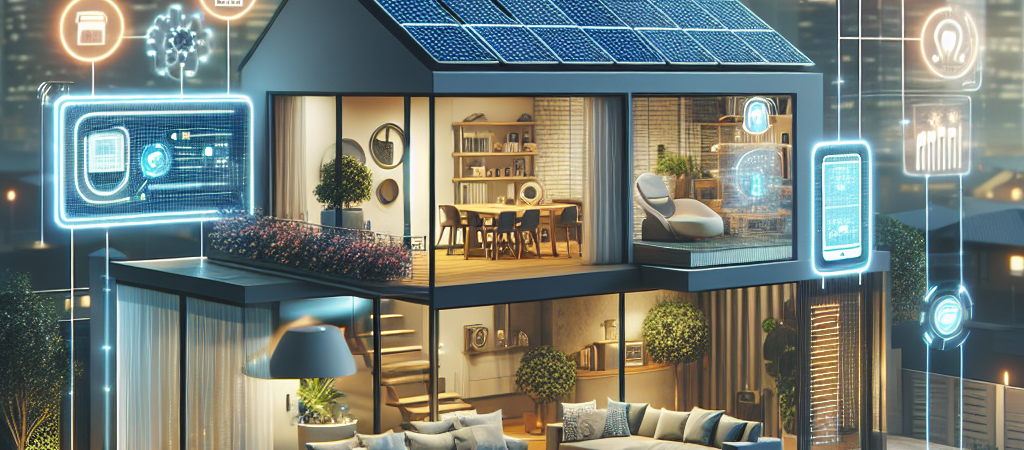
Introduction to Smart Home Energy Management
As we move further into 2026, the landscape of smart home energy management is evolving faster than ever. With rising energy costs and increasing environmental concerns, homeowners are looking for innovative solutions to optimize their energy consumption. Smart home technology not only enhances your convenience but also significantly reduces energy wastage. In this blog post, we’ll explore the latest trends, technologies, and tips for optimizing your energy use while enjoying the comforts of modern living.
Understanding Energy Consumption Trends in 2026
Before diving into smart home solutions, it’s essential to understand the current trends in energy consumption:
- Shift to Renewable Energy: Homeowners are increasingly turning to solar panels and wind turbines to supplement their energy needs.
- Smart Appliances: Energy-efficient appliances are becoming the norm, equipped with technologies that optimize their own usage.
- Remote Monitoring: Advanced monitoring tools are available to track energy consumption in real-time, allowing for informed decision-making.
Smart Devices That Revolutionize Energy Management
In 2026, several smart devices stand out in improving energy efficiency:
1. Smart Plugs and Switches
Smart plugs and switches allow you to control the energy used by devices remotely. By scheduling usage times or turning off devices that are not in use, you can significantly cut down on energy waste.
2. Energy-Efficient Smart Lighting
With LED smart bulbs, you can adjust brightness levels and colors while utilizing minimal energy. Many models now incorporate motion sensors to automatically turn off when rooms are unoccupied.
3. Smart Thermostats
While more common, smart thermostats continue to be a game-changer. They learn your routine and adjust the heating and cooling settings accordingly, optimizing energy usage throughout the day.
Integrating Automation for Energy Efficiency
One of the most significant advancements in smart home technology is automation. Integrating home automation systems can enhance energy efficiency substantially:
1. Home Automation Hubs
Centralized hubs allow different smart devices to communicate, enabling coordinated energy savings strategies. For example, when you leave home, your hub can turn off lights, reduce HVAC usage, and lower blinds to maintain temperature.
2. Scheduled Routines
By setting routines for your devices, you can automate energy consumption based on your lifestyle. For example, programming your blinds to close during peak sunlight hours can help regulate temperature without over-relying on air conditioning.
Real-Time Monitoring and Analytics
The importance of being informed cannot be overstated. Real-time energy monitoring tools are essential for comprehensive energy management:
- Smart Meters: These devices provide data on energy usage throughout the day, enabling you to pinpoint inefficient appliances.
- Energy Usage Apps: Most smart appliances come with associated apps that allow you to monitor usage and receive alerts for unusual consumption patterns.
Tips for Reducing Energy Consumption at Home
Here are practical tips to further enhance your energy efficiency:
- Unplug devices when not in use to prevent phantom energy consumption.
- Constantly review and adjust energy usage based on feedback from your monitoring systems.
- Consider investing in energy storage solutions to store excess energy generated from renewable sources.
Conclusion
In 2026, enhancing your smart home energy efficiency isn’t just about saving money; it’s about contributing to a sustainable future. By implementing current technology trends and embracing innovative practices, homeowners can optimize their energy consumption while enjoying the conveniences that modern living offers. The future of energy management is here, and it’s smart, efficient, and accessible to everyone.