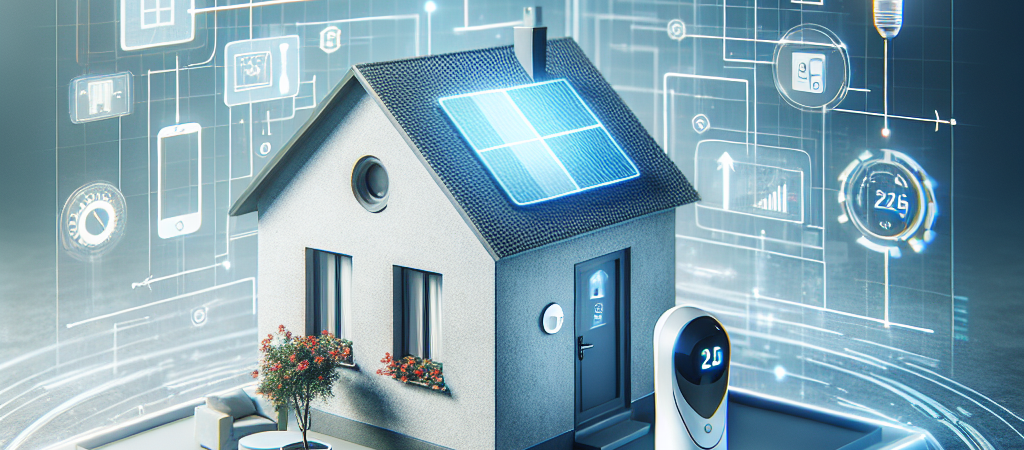
Introduction to Smart Home Sensors
In 2026, energy efficiency is more crucial than ever as households strive to reduce their carbon footprint and energy bills. One of the most effective tools in achieving this goal is the integration of smart home sensors. These innovative devices play a significant role in managing energy consumption, enhancing comfort, and offering insights into our habits. In this post, we will explore how smart home sensors can transform your energy management capabilities.
What Are Smart Home Sensors?
Smart home sensors are devices equipped with technology that enables them to detect changes in the environment. They can monitor temperature, motion, light levels, and humidity, providing valuable data that can be used for a variety of applications. Here are some common types of smart home sensors:
- Motion Sensors: Detect movement within a space, allowing for automatic lighting or HVAC adjustments.
- Temperature Sensors: Monitor the temperature in different rooms, helping maintain optimal comfort levels.
- Light Sensors: Gauge natural light levels to adjust artificial lighting accordingly, promoting energy savings.
- Smart Plugs: Allow users to control and monitor appliances remotely, ensuring they’re only used when needed.
- Humidity Sensors: Help regulate humidity levels, thereby improving air quality and energy efficiency in HVAC systems.
Benefits of Smart Home Sensors for Energy Management
Investing in smart home sensors can lead to significant energy savings and a more convenient living environment. Below are key benefits of utilizing these devices:
1. Real-Time Data Tracking
Smart home sensors provide real-time data on energy consumption, allowing homeowners to identify patterns and make informed decisions. By knowing which devices consume the most energy, you can change usage habits to save costs.
2. Automated Energy Management
Integrating smart sensors into your home automation system enables automated energy management. For example:
- Motion sensors can turn off lights when no one is in a room.
- Temperature sensors can adjust your thermostat based on occupancy and outside conditions.
- Smart plugs can schedule operations of devices during off-peak hours.
3. Enhanced Comfort
Smart sensors enhance home comfort by maintaining optimal temperature and light levels. For instance, light sensors can adjust indoor lighting based on natural daylight availability, ensuring a well-lit environment without unnecessary energy use. This not only saves energy but also promotes a healthier atmosphere.
4. Increased Awareness of Usage Habits
By leveraging the data gathered from smart sensors, homeowners can develop a better understanding of their energy usage habits. With insights into which devices are energy hogs, you can prioritize upgrades or changes that lead to greater conservation.
How to Integrate Smart Home Sensors into Your Home
Integrating smart sensors requires a thoughtful approach. Here are steps to effectively incorporate them into your home energy management system:
1. Assess Your Needs
Start by evaluating your home’s energy usage and identifying areas for improvement. Determine which rooms require sensors for light, temperature, or motion.
2. Choose Compatible Devices
Look for sensors that are compatible with your existing smart home ecosystem. Whether you use Amazon Alexa, Google Home, or Apple HomeKit, ensure that your selected devices can seamlessly integrate.
3. Install and Configure
Follow the manufacturer’s instructions for installation. Once installed, spend time configuring settings to maximize benefits such as automation rules and notifications.
4. Monitor and Adjust
After implementation, regularly review data from your sensors to understand their impact on your energy use. Adjust settings as necessary to fine-tune performance.
Conclusion
As we venture further into 2026, the integration of smart home sensors signifies a shift towards more sustainable energy management practices. Equipped with real-time data and automation capabilities, these devices not only enhance comfort but also empower homeowners to make informed decisions that benefit both their wallets and the environment. Embrace the future of energy management by investing in smart home sensors today!